The Things We Promise
JC Burke
During the height of the HIV and AIDs epidemic in the 1990s, Gemma is blissfully ignorant of any health issues that could be going on in her home town of Sydney. Her worst concerns are who she will hang out with school and what kind of hairdo she is going to have her brother Billy do for her formal.
 I’ll be the first to say that a lot of the language in the novel is offensive. It’s particularly offensive to gay people, eg. “limp-wristed, pillow-biting, doughnut punching bum bandit”. Which, given the subject matter, I’m not surprised that it’s targeted so negatively. But I also appreciated the hard feelings and accuracy of that. It felt ‘real’.
The problem some reviewers had with this novel was that it was horrifically offensive to a variety of people. While I agree that it is, I also accept that this novel is an accurate snapshot of the early 90s, where this sort of language, beliefs and behaviour was common. If you are easily offended and can’t understand the setting of the novel (such as a slavery novel with ‘nigga’ in it), this novel is not for you.
It’s an interesting way of approaching the early years when very few people knew about HIV and how it was transmitted. It paints a picture of how miserable things really were from a personal perspective, not just a sheer number of people who were infected as a sterile statistic.
I’m giving this three stars. It took me a while to warm up to it, and despite eventually enjoying it, it seemed a little forced at times.

Allen & Unwin | 22nd February 2017 | AU $19.99 | Paperback


 This is a low key science fiction novel that is easy to read, with not too much jargon or assumed knowledge. I found myself slipping effortlessly into the pages and refusing to come out again. The parts of physics and basic explanations of the Flow made my eyes glaze over a little, but I didn’t need to completely skip those sections to keep my interest!
 There are lots of crazy gene enhancements that can take place, and will take place in the future. What this novel sets out is the capability of gene technology to change fundamental aspects of human personality, Gattica style, but after the human subject is already grown. Crisper-Cas makes this all possible, in real time! This novel could be happening right now…
 My hands are legitimately still shaking as I sit down to write this review. The final chapters are so compelling that it was impossible to put down, and I was left crying despite, or perhaps because, of the ending. This is a powerful novel that pulls you in gently, then rips your heart out for caring.
 This novel was sent to me by mistake by Allen & Unwin, but I decided to read it anyway. I love music and appreciate artist talent, despite not having much talent (or none, when it comes to art) and so I thought it could be good. Instead, I was hit with Ginny’s romance, and very little writing! I was frustrated that she didn’t do more with her art. I also found it unrealistic in how talented simply EVERYONE was.
 This is from the perspective of the adults for the most part, but the omniscient narrator reveals all that you could hope for. It’s not ‘just another transgender novel’. Some of the lines from it are so memorable and touching that you will be tempted to cry. It’s ok – I cried, I’m not going to hold it against you.
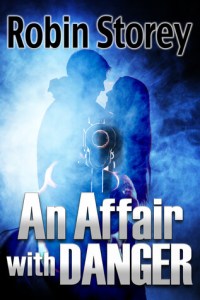 The author gets points for making the novel potentially race along, skipping years where necessary to make the plot move. What redeemed this novel a little was the writing style, and the gentle nature of the male protagonist. He wasn’t all macho, which made it a refreshing change from other romance novels. Not to mention it was a MALE protagonist, which is rare in this genre.
 Sold as a ‘Coming of Age’ novel, I honestly don’t know why I kept reading this novel. Linda doesn’t even make a choice, as promised in the blurb. She just wanders along in her own life, with no absolution and no explanations.
 This novel hit me. The writing is powerful and it makes the reader slip effortlessly inside each of the women’s minds. Each has a unique view of the world, and their place in it – it seems like they are running their lives, but really there are external, unknown factors making an impact. The reader will be invested irrevocably in the story.
 I’d like to hear other people’s opinions about this novel. What do you feel like you gained from it? It took me a long time to sink into this novel, and then I struggled with the then/now perspective changes. I recognised Kit’s mind struggling with the same thing, and I couldn’t separate her projections away from the truth.