
Don’t Buy this Book: Entrepreneurship for Creative People
Donald Roos, Anne de Bruijn
“The sequel to the highly successful Don’t Read This Book – Time Management for Creative People. Like its predecessor, it uses the “To Don’t List” method to help you make the right choices – choices that help you achieve your goals as a creative entrepreneur. Don’t Buy This Book walks through the necessary steps: testing your idea, getting it ready for business, and building on it. It covers everything you need to get started or improve your business as a creative and offers practical exercises to clarify who you want to be as an entrepreneur.”
 I should have listened to the cover and not bought the book! It’s a quick read, throws some good ideas your way, but let’s be real, it’s not the be-all and end-all of entrepreneurship guides. This is more like an Instagram-worthy motivational pep talk with quotes galore. They toss around some practical questions to get your brain working, but don’t expect actual answers – it’s more like a brainstorming session without a whiteboard.
Sure, there are snippets about some companies, but they barely scratch the surface. Oh, and they keep bringing up their first book, “Don’t Read This Book,” but don’t stress – you don’t need to read it for this one to make sense. It’s not really a sequel.
If you’re just dipping your toes into the entrepreneurial pool and need a little inspiration, go ahead and give it a shot. But if you’re after the real deal, check out “Twelve and a Half” by Gary Vaynerchuk. My verdict? Two stars – it’s okay, but nothing to write home about.


 “Thinking in New Boxes: A New Paradigm for Business Creativity” is a must-read for small business owners and entrepreneurs searching for fresh ideas and the next big leap in their ventures. This book serves as an invaluable resource for those eager to unlock their creative potential and break free from conventional thinking.
 I couldn’t shake the feeling that this book is showing its age. It’s clearly targeted at those super high-level corporate giants, which might not sit well with folks from smaller or less traditional companies. If you’re not in a place where you can delegate tasks to an army of direct reports, you might feel a bit left out.
 This book landed in my life at the right moment. It’s not often that a book resonates with you to such a degree, but this one certainly did. I found myself wholeheartedly agreeing with every word, making it a truly outstanding read. The author delves into the realms of not just becoming a better manager or leader, but also provides invaluable insights into the complex terrain of navigating the workplace and climbing the corporate ladder. It sets a high bar for what a successful workplace should resemble while delivering some much-needed tough love to readers.
 I was pretty pumped when I first saw this book because, well, it’s red! I had high hopes for an exciting read, but boy, was I let down. The beginning of the book dragged on with long-winded chapters all about military stuff. It was like the words were just sliding off the page instead of getting into my head. Sure, we needed some background info, but that was way too much. I get that the principles are based on military history, but a little less history and a little more about applications of those principles would be usefu.
 The book titled “Gigged” introduces the author’s concept of freelancing and the autonomy it offers in choosing one’s own jobs. Despite its publication a few years ago, the book is still relevant. The author frequently references Uber as an illustrative example, highlighting the freelance contractors of Uber drivers. Various anecdotes from other companies are included creating a comprehensive narrative.
 This book gives readers a guide to becoming more agile in today’s fast-paced business environment. The 5 agilities discussed in the book are:
 The Resilient Leader
 Great Quotes for Great Businesses
 Engineer Your Business
 This book is very slow. It spends a good chunk of the start of the book “rethinking leadership” in a modern way. Although I agree that some leaders do need to rethink how they lead, the people that have picked up this book would already agree with the title and modern leadership and do not need to be convinced.
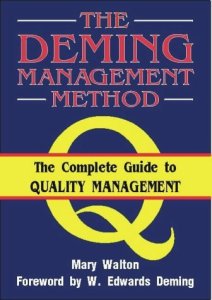 This book is an interesting read, but not for everyone. It is clearly an older book that is written in an older manner, but it is still applicable and not completely outdated. It’s a little dense and takes a while to get into it. I felt that the long introduction / background on Dr Deming was very interesting.